Diet Recovery Matt Stone Body Temperature Weight Loss
In the past year, I've become a fan of Matt Stone at 180DegreeHealth. We agree on many things. The two primary things are we both see the neurotic approach to food and exercise as being unhealthy. My primary health interest is to find sustainable ways to become more resilient in a stressful toxic world. What interested me about Diet Recovery 2 is it provides a plan for boosting health by fixing metabolism issues.
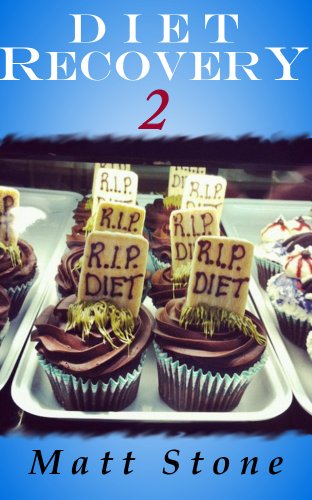
Diet Recovery 2: Restoring Mind and Metabolism from Dieting, Weight Loss, Exercise, and Healthy Food by Matt Stone
Optimizing Metabolism
When we think about diets and eating healthy, we focus on good foods versus bad foods. We try and measure calories or carbs or whatever is in fad at the time. Then we try and quantify our exercise with pedometers and heart rate monitors. And we may get results, especially in the short term, but over time it often becomes unsustainable, which results in a high long-term failure rate. What you will learn in the book is that caloric restriction and excessive exercise can lower metabolism.
If you think about this, it makes perfect sense. The body is only interested in survival. If the signals being sent are less food and more activity for extended periods of time, the body will mount a defense. Up until I was exposed to Matt's work, I knew of a few of those defenses. The first being increased hunger. Followed by increased exhaustion and finally increased the risk of illness or injury. In Diet Recovery 2, Matt explains how a stressed body will often have a reduced body temperature.
I don't have a health background, but this makes total sense to me. The body is a complex system. Calories feed total metabolism. Total metabolism is base plus activity. By increasing activity or restricting calories for long periods, the body responds to that threat by lowering base metabolism. Diet Recovery 2 takes the opposite approach of other health books. It focuses on ways to increase metabolism measured by body temperature. Increasing your body temperature by a degree every minute of every hour will yield greater benefits than focusing on the calories plus activity side of the equation.
What Wrecks Metabolism?
In Diet Recovery 2 we learn a few things that can cause metabolism to drop.
- Calorie restriction, especially yo-yo dieting.
- Excessive exercise, especially chronic cardio.
- Poor or insufficient sleep.
- Long term low carbohydrate dieting.
- Consuming too many liquids or cooling foods.
- Too many PUFAs (Polyunsaturated fatty acids)
Since the items on the list are the ones that wreck metabolism, the opposite is advised to help the repair. Eat more calories. Get off the treadmill. Sleep more. Stop fearing carbs. Quit drinking so many beverages, especially water. And embrace saturated fats over PUFA. The book goes into greater detail and explanations.
Following this advice, you are very likely to gain weight at first, but that is OK. Think of the leaky boat analogy. Yes, you can paddle it real hard and hope you'll get across the lake or you can be patient, make the repairs, and then make the journey safer and with less effort.
Is Diet Recovery 2 For Me?
When I was first exposed to the body temperature theory of metabolism, I wasn't sure it applied to me. I'm very temperature resilient. I can take ice cold showers or do a 10 hour urban hike through the hot and humid streets of Bangkok, Thailand. I'm fine with both. However, ever since the 10th grade, I've had cold hands and toes. I've always assumed it was a circulation problem I developed from one brutal Ohio winter, but I've been donating blood every 8 weeks for 2 years now. My body temperature always falls in the 97.0 – 97.5 range. Maybe my metabolism could use a boost?
When I look at the list above, the two items I have been guilty of is drinking too many beverages and consuming too many PUFAs. I've never counted calories or carbs and think cardio is a mental illness. However, my entire adult life up until around 2009, I would drink water or coffee all day long. Then I watched Art De Vany's Evolutionary Fitness lecture and he made a great case for drinking less water. Since then I have cut back on the water. One of the symptoms of overhydration mentioned in Diet Recovery 2 is dry skin. I can attest when I cut back on the water, my dry patches of skin went away. As for the PUFAs, I'm years into rejecting seed oils, but until very recently was consuming sunflower seeds and almonds regularly.
Another symptom of excess water consumption mention in the book is headaches. This is where I learned about hyponatremia, which is having low salt levels, often caused by excessive beverage intake. Headaches are a common symptom of hyponatremia.
The "Turn Up The Heat" Experiment
I'm not convinced that I can raise my body temperature or that if I can that I will feel noticeably better, however it does make a lot of sense to me. My background is in tech. I recall one project where my team was looking for ways to increase the speed of the application. We could optimize the database tables, rewrite queries, run some reports during off-hours, or a host of other labor-intensive strategies. My project manager had a better idea. He bought a faster server. He threw more heat at the problem and it went away instantly.
I'm ready to give the Diet Recovery 2 protocol a try. Even though I drink far less water than I used to, I could probably still cut back more. I also need to figure out ways to consume more salt. I'm plenty fine on sugar. I've begun tracking my body temperature already and I've already got two years' worth of headache data.
The "Turn Up the Heat" Experiment has started.
Diet Recovery Matt Stone Body Temperature Weight Loss
Source: https://criticalmas.org/2013/03/diet-recovery-2-and-the-turn-up-the-heat-experiment/
0 Response to "Diet Recovery Matt Stone Body Temperature Weight Loss"
Post a Comment